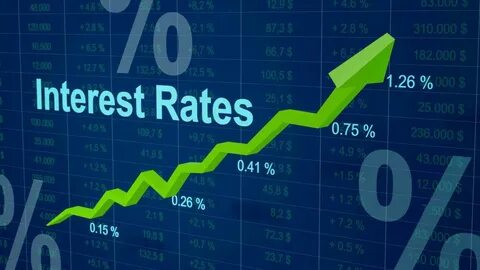
How Interest Rates Shape the Economy
Interest rates are one of the most powerful economic tools in the world. Controlled mainly by central banks, these rates determine how expensive or affordable it is to borrow money. Whether you are taking out a mortgage, saving for retirement, starting a business, or simply using a credit card, interest rates influence nearly every financial decision you make. But beyond personal finance, interest rates directly shape inflation, economic growth, employment levels, and the stability of global financial markets.
Understanding how interest rates work is essential—not just for economists and investors, but for everyday citizens who want to make informed financial choices. This article breaks down the role of interest rates in shaping the economy and explains why they matter more today than ever before.
What Exactly Are Interest Rates?
Interest rates represent the cost of borrowing money or the reward for saving it. When you borrow, you pay interest. When you save or invest, you earn it. Central banks like the Federal Reserve (U.S.), the European Central Bank (ECB), or the Reserve Bank of India (RBI) use interest rates as part of their monetary policy to keep the economy healthy and balanced.
Central banks typically adjust a key benchmark rate known as the “policy rate.” When this rate changes, commercial banks adjust their lending and savings rates. This chain reaction affects consumers, businesses, and the broader economy.
Interest Rates and Economic Growth
One of the most direct ways interest rates influence the economy is through their impact on spending and investment. Low interest rates make borrowing cheaper, which encourages individuals and businesses to take loans. High interest rates do the opposite, slowing down borrowing.
When Interest Rates Are Low
- Consumers borrow more for homes, cars, and education.
- Businesses invest in expansion, equipment, and hiring.
- Startups find it easier to raise capital.
- Spending increases, boosting economic growth.
When Interest Rates Are High
- Borrowing becomes expensive.
- Businesses reduce spending and investment.
- Consumers cut back on purchases.
- Economic growth slows down.
Interest rates are therefore used as a powerful accelerator or brake for economic activity.
Interest Rates and Inflation
Inflation is the general increase in prices over time. Central banks adjust interest rates to keep inflation stable—usually around 2% annually in many countries.
The Relationship Between Rates and Inflation
- High inflation → Higher interest rates Central banks raise rates to reduce borrowing and spending. This cools the economy and slows price increases.
- Low inflation or recession → Lower interest rates Rates are cut to encourage spending and stimulate economic activity.
This delicate balancing act helps maintain stable prices and avoids economic extremes like hyperinflation or deep recessions.
Impact on Consumer Behavior
Interest rates directly influence major financial decisions. When rates rise, loans and credit become more expensive. When rates fall, borrowing becomes cheaper and more appealing.
How Consumers Feel the Impact
- Mortgage Rates: Higher rates make monthly home payments more expensive.
- Car Loans: Higher interest means higher EMIs and less affordability.
- Credit Cards: APR increases make debt more expensive to carry.
- Savings Accounts: Higher rates help savers earn more on deposits.
Even small changes in interest rates can significantly influence household budgets.
Interest Rates and Business Investment
Businesses depend heavily on loans and credit to operate, expand, and innovate. Interest rate changes can determine whether a company moves forward with new projects or delays them.
Low Interest Rates Encourage Business Growth
- Cheaper loans for expansion
- More hiring and job creation
- Increased investment in technology and infrastructure
- Higher consumer demand due to increased spending
High Interest Rates Slow Business Activity
- Reduced borrowing
- Lower profits due to higher loan costs
- Hiring freezes or layoffs
- Delayed expansion plans
Thus, interest rates play a huge role in shaping business confidence and investment decisions.
Effects on Employment Levels
Because businesses depend on credit to grow, employment levels often rise or fall based on interest rate decisions.
Low Rates = More Jobs
When borrowing is cheap, businesses expand and hire more workers. Consumers also spend more, creating additional demand for labor.
High Rates = Fewer Jobs
With expensive loans, companies slow hiring, reduce expenses, or even cut jobs, leading to higher unemployment.
This is why many central banks consider employment data when deciding to raise or lower interest rates.
Global Effects of Interest Rate Changes
In a globalized world, interest rate changes in one country can affect economies across the globe. For example:
- Higher U.S. interest rates attract global investors, strengthening the U.S. dollar.
- Developing nations may experience capital outflows.
- Exporters may struggle when their currency strengthens.
- Global borrowing costs increase as international banks raise rates.
These international ripple effects show how central bank policies influence the world economy.
Why Central Banks Adjust Interest Rates
Central banks raise or lower interest rates to:
- Control inflation
- Maintain currency stability
- Support economic growth
- Prevent asset bubbles
- Encourage or discourage borrowing
- Manage unemployment levels
By adjusting rates, central banks keep the economy balanced and healthy.
Conclusion
Interest rates play a crucial role in shaping the economy. They influence inflation, consumer spending, borrowing, business investment, employment, and global financial stability. Whether interest rates rise or fall, the impact is felt across households, corporations, and entire nations.
Understanding how interest rates work empowers individuals and businesses to make smarter financial decisions. As economies evolve and financial markets become increasingly interconnected, interest rates will continue to serve as one of the most powerful tools for shaping economic direction and stability.