Mindset: The Invisible Asset
When it comes to success, most people immediately think of tangible assets—money, property, investments, or education. While these are undeniably important, there is one intangible yet immensely powerful asset that often goes unnoticed: mindset. The way we think, perceive challenges, and approach opportunities fundamentally shapes our actions, decisions, and ultimately, our results. Mindset is, in essence, the invisible asset that underpins personal and professional success.
Mindset is more than just a positive attitude or wishful thinking; it is a collection of beliefs, habits, and mental frameworks that guide behavior and influence outcomes. Research shows that individuals with a growth-oriented mindset tend to be more resilient, adaptable, and capable of achieving long-term goals. In contrast, a fixed mindset can limit potential, breed fear of failure, and restrict personal growth.
Understanding Mindset
Mindset is the lens through which we interpret the world. It affects how we respond to challenges, setbacks, and opportunities. There are broadly two types of mindsets:
1. Fixed Mindset
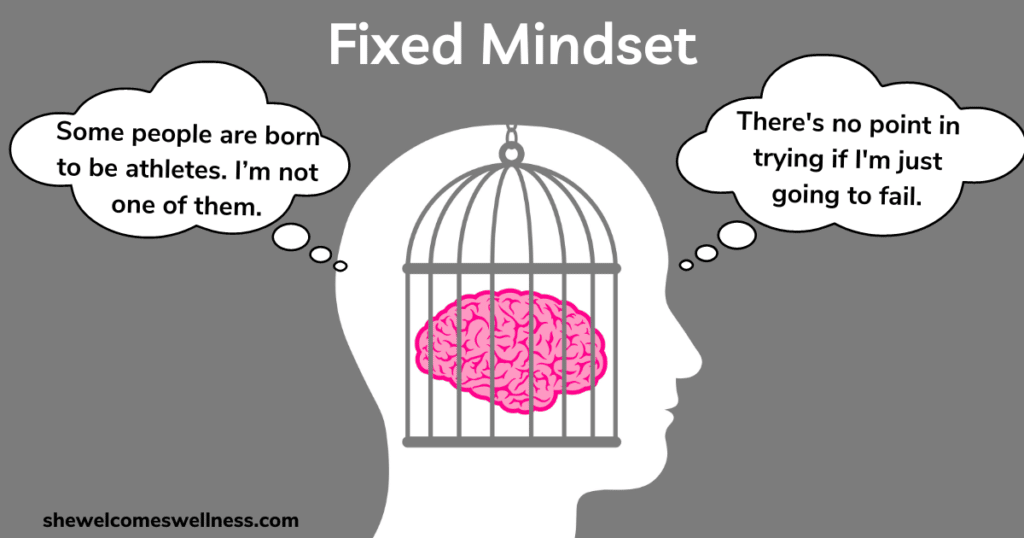
A fixed mindset assumes that abilities, intelligence, and talents are static. People with a fixed mindset often avoid challenges, fear failure, and feel threatened by others’ success. They may resist learning new skills or stepping outside their comfort zones, believing that effort cannot change their inherent abilities.
2. Growth Mindset
A growth mindset is rooted in the belief that abilities and intelligence can be developed through effort, learning, and persistence. Individuals with a growth mindset embrace challenges, view failures as learning opportunities, and are more likely to persist in the face of obstacles. This mindset fosters resilience, creativity, and long-term achievement.
Why Mindset is an Invisible Asset
1. Drives Success
A growth-oriented mindset encourages continuous learning, adaptability, and proactive behavior. People with the right mindset are more likely to set ambitious goals, take calculated risks, and pursue opportunities that others may overlook.
2. Shapes Financial Behavior
Mindset directly affects financial decisions. Those with a scarcity mindset may hoard money, avoid investments, or fear taking risks that could lead to growth. Conversely, an abundance mindset fosters confidence, strategic planning, and a willingness to invest in opportunities for long-term gain.
3. Enhances Problem-Solving
Challenges are inevitable. A positive and resilient mindset enables individuals to approach problems creatively, identify solutions, and remain calm under pressure.
4. Influences Relationships and Leadership
Mindset impacts interpersonal relationships, leadership style, and collaboration. Leaders with a growth mindset inspire trust, encourage development in their teams, and create a culture of continuous improvement.
5. Boosts Mental and Emotional Health
A strong, positive mindset promotes resilience, stress management, and overall well-being. By reframing failures and setbacks as learning experiences, individuals maintain motivation, reduce anxiety, and cultivate emotional balance.
Building a Growth-Oriented Mindset
Mindset is not static; it can be developed and strengthened over time. Practical strategies include:
- Embrace Challenges: View obstacles as opportunities for growth rather than threats.
- Learn from Failure: Failures are feedback; reflect and apply lessons to future endeavors.
- Practice Self-Awareness: Understand thought patterns and limiting beliefs through journaling or mindfulness.
- Seek Continuous Learning: Invest in personal development through reading, courses, mentorship, and skill-building.
- Surround Yourself with Positivity: Engage with individuals who inspire and challenge growth.
- Focus on Effort, Not Just Outcome: Reward perseverance and learning, not just results.
Mindset and Wealth Creation
Mindset plays a critical role in financial success. Entrepreneurs, investors, and high achievers often attribute their accomplishments not solely to knowledge or capital, but to mental frameworks and resilience. A person with the right mindset is willing to:
- Take calculated risks while managing exposure
- Learn from mistakes and adapt strategies
- Seek mentorship and continuous education
- Remain patient and disciplined in long-term investments
Conversely, a negative or fixed mindset can result in hesitation, missed opportunities, and short-term thinking, which undermines wealth-building efforts.
The Ripple Effect of Mindset
The benefits of a growth-oriented mindset extend beyond individual success. Mindset influences communities, workplaces, and society:
- In Organizations: Teams with growth-oriented leaders tend to innovate and collaborate effectively.
- In Education: Students with growth mindsets embrace challenges and achieve academic excellence.
- In Families: Parents modeling resilience instill similar values in their children, creating cycles of empowerment.
Overcoming Limiting Beliefs
Leveraging mindset as an asset requires identifying and overcoming limiting beliefs. Common examples include:
- “I’m not capable of learning this skill.”
- “Failure is something to avoid at all costs.”
- “I don’t have the resources to succeed.”
- “Success is for others, not me.”
Transforming these beliefs requires conscious effort, reframing thoughts, and consistently reinforcing positive mental habits.
Conclusion
Mindset is the invisible asset that shapes every facet of life. It determines how we approach challenges, respond to opportunities, and make decisions. While traditional assets like money, education, and property are tangible, mindset is often overlooked, yet it is arguably the most powerful predictor of success.
By cultivating a growth-oriented mindset, individuals can unlock potential, enhance resilience, and create sustainable personal and professional success. The right mindset encourages learning, embraces challenges, and sees failures not as setbacks but as stepping stones. It influences financial behavior, problem-solving abilities, leadership, relationships, and overall well-being.
Investing in mindset development—through self-awareness, continuous learning, and intentional thought patterns—is an investment in long-term success. Unlike physical assets, which can depreciate or be lost, a strong mindset is enduring, adaptable, and infinitely renewable. It is the invisible force that transforms dreams into reality and obstacles into opportunities.