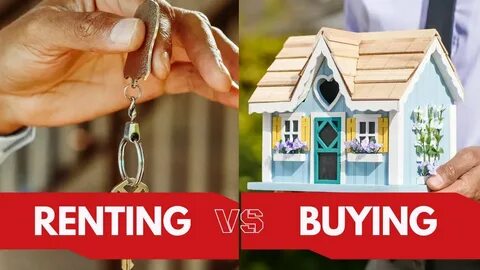
Renting vs. Buying: What Actually Builds More Wealth Today?
For decades, buying a home was considered a universal symbol of financial success. Parents encouraged it, culture celebrated it, and banks made it sound like the smartest thing anyone could ever do. But today’s financial landscape looks very different. With rising home prices, higher interest rates, increased mobility, and better investing opportunities, the old advice no longer fits every situation.
So the big question remains: Is buying still the best path to wealth, or can renting actually make you richer in today’s economy?
🏠 The Traditional Argument: Why Buying Was Always Seen as Wealth-Building
Buying has historically been a strong wealth builder for three main reasons:
1. Forced Savings Through Equity
Every mortgage payment slowly turns into equity—your ownership in the property. This “forced savings plan” keeps people from spending everything they earn.
2. Home Appreciation
Real estate has historically appreciated over time, even though growth varies by location. Across decades, the trend generally moves upward.
3. Fixed Housing Costs
With a fixed-rate mortgage, your monthly payment stays consistent while rents tend to increase every year.
💸 Why Buying a Home Isn’t Automatically the Best Financial Move Today
1. High Home Prices vs. Wage Growth
In many markets, home prices have risen faster than incomes. This means buyers are spending a larger percentage of their income on housing compared to previous generations.
2. Higher Interest Rates
Higher mortgage rates increase monthly payments dramatically and reduce the buying power of a budget.
3. Hidden Costs No One Talks About
Renters never think about:
- property taxes
- homeowners insurance
- maintenance and repairs
- HOA fees
- closing costs and agent fees
- renovations
4. Loss of Flexibility
Buying makes sense only if you plan to stay long enough to let appreciation and equity outweigh transactional costs. If you move within 3–5 years, renting is often financially smarter.
🏡 The Surprising Case for Renting: How Renting Can Build Wealth
1. Renting Is Often Cheaper Month-to-Month
Renters avoid down payments, taxes, maintenance, and high insurance premiums. The money saved can be invested instead of being tied up in a property.
2. Renters Have Freedom to Move
Mobility can lead to better jobs, higher income, or cheaper markets—all of which affect long-term wealth.
3. Lower Financial Risk
Homeowners carry market risk. Renters simply walk away when their lease ends.
4. Investors Outperform Home Appreciation
Historically, stock market returns (7–10% annually after inflation) outperform long-term real estate appreciation.
📊 Renting vs. Buying: The Real Financial Comparison
Consider a simplified example:
Buying a $350,000 Home
- 10% down payment = $35,000
- Closing costs ≈ $8,000
- Total upfront = $43,000
- Monthly cost (mortgage + taxes + insurance + maintenance) ≈ $2,800
Renting Equivalent Property
- Rent ≈ $2,100/month
- Upfront cost = one month deposit
Savings for the Renter
- Saves ~$40,000 upfront
- Saves ~$700 per month
If the renter invests the $40,000 upfront and the $700 monthly at 7% annual returns for 10 years, they could end up with over $160,000.
The homeowner may gain equity, but they also pay interest, taxes, and maintenance. Depending on the market, either option could win.
🏠 When Buying Builds More Wealth
- You plan to stay for 7+ years
- Your mortgage is equal to or cheaper than rent
- You value long-term stability
- You want to lock in housing costs with a fixed-rate mortgage
🛋️ When Renting Builds More Wealth
- You want flexibility and mobility
- Homes in your area are overpriced
- You invest the money you save
- Rent is significantly cheaper than owning
💡 The True Wealth Formula: Renting OR Buying Works If You Do This
- Keep housing costs below 30% of income
- Invest consistently
- Stay disciplined with money